
Trampler Chassis Choices
The cards below use SAND Game DB chassis entries as the factual base. Treat them as build-space references, then test movement and interior flow in your installed game version.
Select 2 or 3 choices. The field-by-field comparison opens below the cards.
4 matches shown
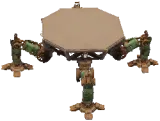
S&H Atm.Fs 77B-Q Small Chassis
A compact construction chassis with high maneuverability and low load capacity. It fits tight routes and learning expeditions.
- Dimensions
- 3x3
- Grid cells
- 17
- Hit points
- Indestructible
- Weight
- 1
- Rotation
- Enabled
- Build status
- Enabled in-game
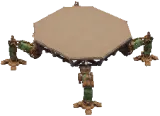
S&H Atm.Fs 79H-Q Great Chassis
A heavy-duty transporter chassis with more grid room and less maneuverability than small models.
- Dimensions
- 4x4
- Grid cells
- 24
- Hit points
- Indestructible
- Weight
- 1
- Rotation
- Enabled
- Build status
- Enabled in-game
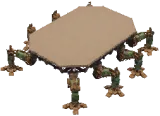
S.Trs "Karl Ludvig" Royal Chassis
A military-scale chassis with 40 grid cells. The database description frames it as a fort-carrying platform, not a nimble scout.
- Dimensions
- 4x6
- Grid cells
- 40
- Hit points
- Indestructible
- Weight
- 1
- Rotation
- Enabled
- Build status
- Enabled in-game
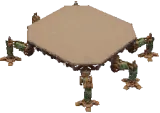
S.Trs "Albrecht" Royal Chassis
A large military chassis with 35 grid cells. Use it when loadout room matters more than route flexibility.
- Dimensions
- 5x5
- Grid cells
- 35
- Hit points
- Indestructible
- Weight
- 1
- Rotation
- Enabled
- Build status
- Enabled in-game
Compare selected
0 choices
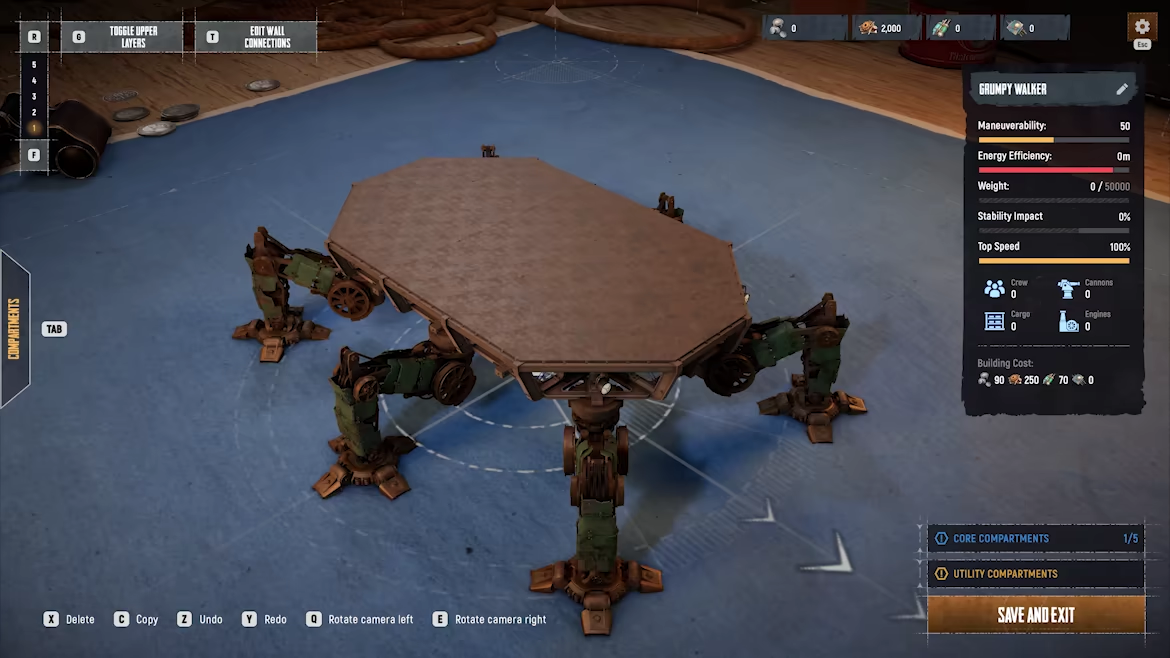
Trampler Chassis Data You Can Compare
Use this Trampler wiki to read actual chassis examples before deciding whether a build fits a beginner route, a solo run, or a squad fight.
What Chassis Entries Need To Show
A simple definition is not enough because Trampler decisions affect the whole expedition. If the driver cannot see, the repair path is blocked, or storage sits too far from the hatch, the build can fail before the fight starts.
Size And Grid Shape The Build
Official Steam media emphasizes modular Trampler design, while SAND Game DB exposes chassis details such as dimensions, grid cells, rotation, and build status. Games.GG and player build threads show the same practical lesson: a good-looking walker still needs reachable repairs, loadable weapons, and a clean boarding path.
Use Chassis Data Before Build Advice
Use this wiki entry as the reference layer. Pick a chassis by size, grid cells, and route role, then walk the build from driver seat to reactor, repair point, storage, weapon station, and hatch before you risk loot.
- Choose a 3x3 or simple 4x4 frame when you still get lost moving from driver seat to storage or repair.
- Use larger royal chassis only when a squad has named driver, gunner, repair, loader, and boarder duties.
- Check grid cells as real walking space, not just capacity. Every extra station adds a path someone must use under pressure.
- Test the build in Voyage before Storm Dive so bad turning, blocked shelves, or unreachable repairs cost a cheap run instead of a loaded one.
Chassis Comparison Checks
| Entry | What it means | How to use it |
|---|---|---|
| Before you act | icons, chassis size, dimensions, grid cells, rotation, hit points, build status, and linked evidence | Open the chassis evidence before relying on a dimension, grid, or hit-point field. |
| The choice | Compare chassis by workload and route use before copying a finished build. | Use the chassis entry to decide whether the build supports solo, squad, repair, or extraction needs. |
| Watch out for | A chassis note that only says Tramplers are important does not help players choose a chassis. | If the source does not say it clearly, do not build the SAND Tramplers plan around it. |
| Can change when | SAND Tramplers wiki can change after store edits, patches, server incidents, database updates, or new public testing. | Look again before spending money, changing a build, routing an expedition, or telling a squad the SAND Tramplers answer is settled. |
Trampler Wiki Misreads
- Copying a screenshot build without walking the interior path.
- Adding guns before confirming ammo, loading path, and firing angle.
- Choosing a bigger chassis because it has more cells while playing solo.
- Parking so the repair point, storage shelf, or hatch faces the contested side.
- Separating Trampler build decisions from extraction timing.
How To Read A Chassis Card
Start with dimensions and grid cells, then ask who will use every station while the walker is moving. A solo player who must drive, repair, loot, load, shoot, and board should prefer a short interior route over a larger floor plan.
Rotation and build status tell you whether the module is usable in the public database, but they do not prove the build is safe. Safety comes from whether the driver can stop, repair, store loot, and reach the rope or cable before the extraction window closes.
SAND Tramplers Before You Build
SAND Tramplers are easier to compare when you check chassis details, images, and linked evidence together. Size, grid cells, rotation, and hit points matter because they shape how the build moves and how much work the crew must cover.
Use SAND Tramplers notes before copying a finished build. A chassis that works for a squad route can be too much for a solo route if repair access, visibility, or escape space is poor.
- Check SAND Trampler choices when a build looks strong but feels hard to drive.
- Use the SAND Tramplers wiki before adding modules that increase repair or storage pressure.
Sources and Version Notes
Verified July 12, 2026. Store price, platform status, server health, player-count snapshots, database stats, and build advice can change after patches.
FAQ
Which Trampler chassis should a beginner use first?
Use the smallest frame that lets you drive, repair, store loot, and board without getting lost. A compact 3x3 or simple 4x4 is easier to learn than a royal build full of stations.
Do more grid cells automatically make a better Trampler?
No. More cells help only if your crew can reach and operate the modules. For solo play, extra distance between driver seat, repairs, storage, and hatch can lose the expedition.
Where should I go after checking chassis stats?
Use the Trampler Guide for operation and repairs, then Trampler Build Principles for module tradeoffs and a Voyage test plan.