
Loot Stops To Choose From
| Check | Why it matters | Action |
|---|---|---|
| Small boats and easy wrecks | Low drama stops are better when you need food, ammo, meds, basic valuables, or a first clean extract. | Hit them when they are on the way to a white-door exit. Skip if the Trampler is already damaged or storage is messy. |
| Medium or military crashed ships | Crashed-ship guides split ships by value and danger; bigger wrecks usually mean more time, more noise, and more exposure. | Treat one good wreck as the main objective. Load guns first, park with a turn path, and leave after the best containers are checked. |
| Named POIs and city tables | Database examples such as Kaiserplatz and Halbmond City show high table volume, but that does not make the route beginner-safe. | Go only with enough ammo, storage, exit timing, and a reason such as coral, keys, rare safes, or a squad objective. |
| Suspicious sand piles | Buried-treasure routes need the shovel. Without it, the pile is a waypoint you cannot use. | Bring the shovel on purpose, dig only when the exit route is still clean, and do not let one pile create a late extract. |
| Locked boxes and red doors | Locked containers and red-door routes are tool checks as much as loot checks. | Bring the needed key or explosive plan before the route. If you cannot open it during this run, do not count it as guaranteed extracted value. |
| Coral and black-box goals | Coral and black-box advice is valuable but patch-sensitive; public sources disagree on some black-box farming details. | Treat them as a mission objective. Check the linked source and its date, clear one objective, store it properly, then extract. |
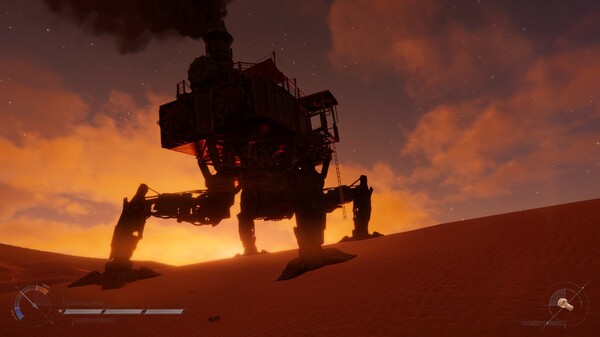
Best Loot Means Extractable Loot
Players searching SAND loot locations need actual route choices, not a fake permanent tier list.
Why Loot Lists Can Mislead
Loot lists are risky when they ignore tools, doors, keys, Trampler storage, enemy pressure, and extraction. In SAND, loot value means nothing if you cannot leave with it, and exact-looking drops can change during Early Access.
Tools And Doors Decide The Route
The real cause of lost value is usually overextension. High-value POIs pull players farther from safety, into locked boxes they cannot open, suspicious sand piles they cannot dig, red doors they cannot breach, and optional fights they no longer need.
Rank POIs By Safe Value
For SAND loot locations, use a route value formula: expected loot minus required tool, travel distance, PvPvE pressure, Trampler damage, storage friction, and extraction uncertainty. Beginners should prefer a repeatable small-boat or shipwreck loop over maximum theoretical value.
- Choose one safe POI and one optional POI, not a chain of every possible container.
- For early money, hit small boats, easy wrecks, and visible supply containers on the way to extraction instead of crossing the map for a rumor.
- Bring a shovel only when suspicious sand piles are part of the route; otherwise it is dead weight and another reason to stay too long.
- Bring keys or explosive answers before planning around locked crates, safes, or red doors. Do not carry locked containers home and assume the stash will convert them into loot.
- Treat black box and crashed-reactor claims as patch-sensitive because public guides and player reports disagree on the best source.
- Stop looting once the expedition has met the goal you set before entering.
- Use the item-selling guide to decide whether a material deserves space.
- Use Map Guide to connect POIs to extraction instead of judging them alone.

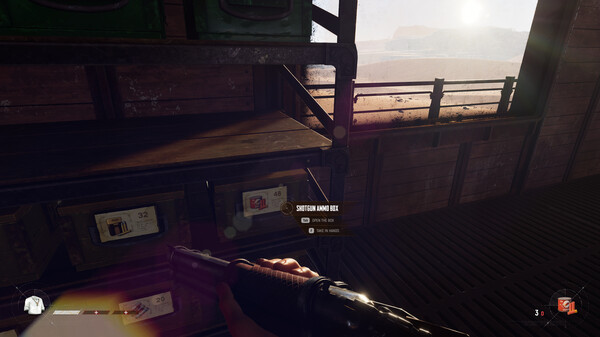
Loot Planning Mistakes
- Confusing high-value containers with high-value expeditions.
- Opening a named POI without the shovel, key, explosive, ammo, or storage plan that made the stop worth it.
- Driving past a good extraction because one more wreck looks close.
- Using old route advice after a patch without checking Updates.
- Ignoring Trampler condition while inventory value rises.
- Searching for exact drop rates when the safer question is whether the route can be extracted.
Run A Beginner Loot Loop
A beginner SAND loot locations route should feel almost boring. Pick the extraction side first, then choose one small boat, easy wreck, or supply cluster that sits on that path. The goal is to return with something, not to prove the whole map can be cleared.
Before opening the first container, decide the leave condition: one green box, one weapon upgrade, enough food and fuel, or one useful sell run. Once that condition is met, point the Trampler back toward extraction.
- Open the map and mark the exit before choosing the first container.
- Check food, fuel, ammo, and empty storage before leaving the Trampler.
- Loot visible containers first; do not search every corner after the route is already worth saving.
- Move valuables into shelves, racks, fridge slots, or a carried box before driving away.
- Extract after the first clean win if the next stop adds a fight or a long turn.
Use Tools Before Chasing Special Loot
Some SAND loot locations only become real when the tool is already on the Trampler. A suspicious sand pile needs a shovel. Locked boxes, safes, and red doors need the right key, explosive, or available interaction method. Without that preparation, the POI is mostly a delay.
This is where many route guides become misleading: they name the valuable object but skip the inventory check that lets a player actually reach it.
- Shovel route: bring the shovel, dig fast, and leave if the pile pulls you away from extraction.
- Key route: confirm the key type before crossing the map for a locked door or box.
- Explosive route: carry the explosive answer before treating a red door as loot.
- Storage route: carry an empty box or clear shelf space before hitting rare safes.
- No tool: downgrade the stop to optional or skip it entirely.
Read Source Conflicts Before Farming Black Boxes
Black boxes are exactly the kind of SAND loot locations tip that should make you slow down. Database and community notes name them as rare high-value finds, while public guides and player reports do not always agree on the safest repeatable route.
If a source says one place drops black boxes and another source points to Trampler fights or crashed-reactor routes, do a cheap verification run before promising the squad that the route is solved.
- Use black-box tips as clues, not as a guaranteed farm route.
- Check the date and patch context of any crashed-reactor or defeated-Trampler claim.
- Do not drag a beginner route into PvP only because a black-box rumor sounds profitable.
- Record whether the item came from a container, enemy Trampler, red-door area, or post-fight cleanup.
- Update the route only after the same source works more than once in the installed game version.
Turn Loot Into A Sell Or Keep Decision
After extraction, sort the haul before the next run. Some items are immediate sell value, some support Trampler builds, some are route tools, and some are clutter that made the last route slower.
The best SAND loot locations are repeatable because they end with a decision. If the haul makes you ask what to keep, use the sell-items guide before the next deployment instead of selling every rare-looking material.
- Sell: surplus valuables that do not support the next build or route.
- Keep: keys, coral, upgrade materials, or tools tied to the next objective.
- Use: food, meds, ammo, repairs, and shovel/key/explosive tools before they become dead weight.
- Drop next time: low-value clutter that blocked storage or delayed extraction.
- Plan the next route from the missing item, not from the loudest loot rumor.
Sources and Version Notes
Verified July 12, 2026. Store price, platform status, server health, player-count snapshots, database stats, and build advice can change after patches.
FAQ
What are the best SAND loot locations for beginners?
Start with small boats, easy shipwrecks, and visible supply containers that sit on the route to extraction. Add one medium or military wreck only when the Trampler still has fuel, storage, health, and a nearby exit.
Should I farm suspicious sand piles?
Only if you brought a shovel and the pile is on your planned route. TheGamer notes suspicious sand piles are a buried-treasure interaction, so do not waste a route staring at them without the tool.
Are locked boxes worth extracting?
Open them during the expedition if you can. Public guide and Reddit reports warn that locked boxes or locked crates are a common confusion point, so do not plan around extracting an unopened locked container until an in-game result or a dated patch note confirms it works.
Where should I look for coral chunks or Weird Coral?
Use coral routes only when you can handle named POI pressure. GamesRadar ties coral chunks and Weird Coral to dangerous loot paths such as rare safes and enemy pressure, so treat coral as an objective, not a casual detour.
Can I trust black box loot tips?
Treat black box tips as patch-sensitive. Some public guides connect black boxes to crashed-reactor or Trampler-related routes, while player reports keep asking for confirmation. Check the linked source and its date before building a whole run around them.